

A discovery flight is a short first lesson in a real airplane with a certified flight instructor. You walk around the airplane, help with the preflight, sit in the left seat, and fly it yourself once you’re in the air. It costs far less than a full course and answers one question before you spend serious money on training: is flying for you?
This guide covers what happens on the flight from the moment you arrive to the conversation afterward. It also covers how long it takes, what you need to bring, whether the time counts toward a pilot certificate, and what comes next if you want to keep going.
At a glance:
- What it is: an introductory lesson with an FAA-certificated flight instructor in a training airplane.
- How long: about a half hour in the air at Choice, plus time on the ground before and after.
- Who flies: you do. The instructor handles the takeoff, the landing, and anything else that needs an experienced hand.
- What you need: no pilot certificate, no medical certificate, and no experience.
- Does it count: yes. Time with an authorized instructor can be logged as training time toward a certificate.
- Where at Choice: Cody, Wyoming (Yellowstone Regional Airport) and Hamilton, Montana (Ravalli County Airport), year-round.
Table of Contents
What Is a Discovery Flight?
A discovery flight is an introductory flight lesson. Some schools call it an intro flight or a demo flight. The format is the same everywhere: a short flight with an instructor, in the airplane students actually train in, with the new student at the controls for most of the time in the air.
It’s a real lesson with you at the controls. Your instructor walks you through the airplane, explains each control before you touch it, and then hands it to you.
At Choice, the discovery flight is the first step listed on the Flight Training page, and it’s built around one question. Flying takes money and time, and this flight lets you find out whether you enjoy it before you commit to either.
What Happens on a Discovery Flight, Step by Step
Every school runs its intro lesson a little differently. Here’s how it works at Choice, in the order you’ll do it.
1. Book the flight
Book through the flight school by phone or the contact form. Tell the school which location works for you, Cody or Hamilton, and a few dates. Morning flights often get the smoothest air, especially in summer, when afternoon heat and wind build over the mountains.
2. Arrive and meet your instructor
Your instructor is an FAA-certificated flight instructor (CFI) who flies this terrain every day. Plan to arrive a few minutes early. You’ll talk through what you want out of the flight, any questions you already have, and how the lesson will run.

3. Get to know the airplane
Before you touch anything, your instructor explains the airplane: the systems, the controls, and what each one does. At Choice, most training happens in the Cessna 172 Skyhawk, a high-wing four-seat airplane used by flight schools around the world.
You’ll learn what the yoke does (it controls pitch and bank), what the rudder pedals do (they keep the nose aligned and steer on the ground), and what the throttle does. Your instructor will also show you the basic instruments: airspeed, altitude, heading, and the attitude indicator.
4. Do the preflight
Every flight starts with a preflight inspection, and on this flight you do it with your instructor rather than watching from the ramp. You’ll walk around the airplane and check the fuel quantity and quality, the oil, the tires, the control surfaces, and the propeller.
The preflight is the first habit every pilot learns, and it doesn’t change from your first lesson to an airline cockpit. It’s also a good look at how carefully a school treats its airplanes. Choice maintains its training aircraft in its own shop, in its own hangar, to the same standard it holds its charter fleet to.

5. Start up, taxi, and take off
You sit in the left seat, the pilot’s seat. Your instructor talks you through starting the engine and taxiing to the runway. Steering on the ground is done with your feet on the rudder pedals, which surprises almost everyone on the first try.
Your instructor will usually handle the takeoff, often with your hands lightly on the controls so you can feel what the airplane does. Some instructors let a comfortable student help with it.
6. Fly the airplane
Once you’re at a safe altitude, the airplane is yours. You’ll practice straight-and-level flight, gentle turns, and climbs and descents. Your instructor stays on the controls beside you and takes over the moment it’s needed.
Most new students find the airplane far more stable than they expected. Small, smooth inputs work best, and the airplane mostly wants to keep flying. You’ll also get a short tour of the local area from a few thousand feet. Around Cody, that means the foothills of the Absarokas and the approaches to Yellowstone. Around Hamilton, it means the Bitterroot Valley with mountains on both sides.
7. Land and talk it through
Your instructor flies the approach and landing, or talks you through parts of it. After you shut down and tie down the airplane, you’ll sit down for the conversation that matters most. That means what you enjoyed, what training would look like for your goals, the certificates in order, the time it takes, and what it costs.
That conversation is the real product of the lesson. Ask everything. A good school will give you a straight answer about the path, the timeline, and the price.
How Long Is a Discovery Flight?
Plan on about a half hour in the air on a Choice discovery flight. Add time on the ground before and after for the briefing, the airplane walk-around, the preflight, and the conversation at the end.
Weather can stretch or shorten the schedule. Mountain weather changes quickly. If the wind or clouds aren’t right, your instructor will move the flight rather than give you a bumpy, rushed first impression of flying.
What Do You Need to Take a Discovery Flight?
You don’t need a pilot certificate, a medical certificate, or any experience. That surprises many people, so here is why.
A student needs an FAA medical certificate to exercise the privileges of a student pilot certificate, which in practice means flying solo. The rule is 14 CFR 61.23. On a discovery flight, the instructor is the pilot in command and you’re receiving instruction, so neither a student pilot certificate nor a medical certificate is required yet. Both come later, before your first solo.
Here’s what you should bring or know ahead of time:
- A government-issued photo ID. Flight schools commonly ask for it.
- Your weight, honestly. Small airplanes have weight and balance limits, and your instructor needs the real number to plan the flight.
- Age. There’s no FAA minimum age to take a lesson. You must be 16 for a student pilot certificate (14 CFR 61.83) and 17 for a private pilot certificate.
- Sunglasses. They’re the one piece of gear you’ll actually want.
What to Wear on a Discovery Flight
Wear comfortable clothes you can move in and closed-toe shoes with thin soles, because you’ll feel the rudder pedals through them. Skip heavy boots. Dress in layers, because a hangar in Cody in March and a cockpit in Hamilton in July are very different places.
You don’t need a headset. The school supplies one, and it’s how you’ll talk with your instructor over the engine noise.
Does a Discovery Flight Count Toward a Pilot License?
Yes. Time spent receiving flight training from an authorized instructor can be logged as training time under 14 CFR 61.51(h). Your instructor endorses the entry with a description of the lesson, its length, and their signature and certificate number.
That logged time counts toward the private pilot certificate. Under 14 CFR 61.109, a Part 61 private pilot applicant needs at least 40 hours of flight time, including 20 hours of instruction and 10 hours of solo. A half-hour intro lesson is a small start on that total, but it’s a real one.
If you train under Part 141, the hours are set by an FAA-approved course syllabus instead. Choice runs both Part 61 and Part 141, and its Part 141 private pilot students work to a 12-week completion target.
How Much Does a Discovery Flight Cost?
Wherever you fly, ask the same questions about price:
- Does the price include the instructor’s time on the ground, or only time in the air?
- Is it the same airplane you’d train in?
- Does any of the cost apply to a training package if you sign up?
A discovery flight is the cheapest way to test a large decision. A private pilot certificate is a real investment, and a single short lesson will tell you more about whether you want it than weeks of reading.
What a First Flight in Mountain Country Shows You
A discovery flight in Cody or Hamilton looks different from one over flat farmland. You see the reason mountain pilots train the way they do.
At Choice, terrain is part of the curriculum from the first lesson. Students learn to read a mountain pass, plan around density altitude in July, and handle wind that behaves differently on each side of a ridge. On your first flight, you won’t fly any of that yet. You will see it out the window, though, and your instructor can point out what a pilot here watches for.
That matters if you’re comparing schools. A pilot who learns in the Rockies learns skills that flatland schools treat as an add-on. Many students also find the scenery makes the half hour go by very fast.
Is It Normal to Be Nervous?
Yes. Most people are a little nervous before their first lesson, and instructors expect it. The airplane is stable, the instructor has dual controls, and nothing about the lesson is meant to test you.
A few things help:
- Eat a light meal an hour or so before. An empty stomach and a heavy meal are both bad ideas.
- Look outside. Motion sickness is rare on a calm morning flight. Keeping your eyes on the horizon helps if you feel it starting.
- Say so. If you’re uncomfortable, tell your instructor. They’ll level the airplane, slow things down, or head back. It’s your lesson.
- Fly early in the day. Morning air is usually smoother, especially in summer.
Questions to Ask Your Instructor
Use the conversation after the flight to get specific answers. These are the questions that matter most when you choose a flight school:
- Part 61 or Part 141? Ask which fits your schedule and goals. Choice offers both.
- What does the full path cost? Ask for the private pilot price and for the professional path if you’re thinking about a career.
- How often can I fly? Frequent lessons, several a week, are the biggest factor in how fast you finish.
- Who maintains the airplanes? At Choice, the answer is its own maintenance shop.
- Is there a testing center nearby? Choice has an FAA-approved PSI testing center on site, so you won’t travel for the written exams.
- Can I use VA benefits or a degree program? Choice’s Part 141 approval is what makes VA benefits possible, and its degree program with Northwest College pairs your ratings with an accredited degree.
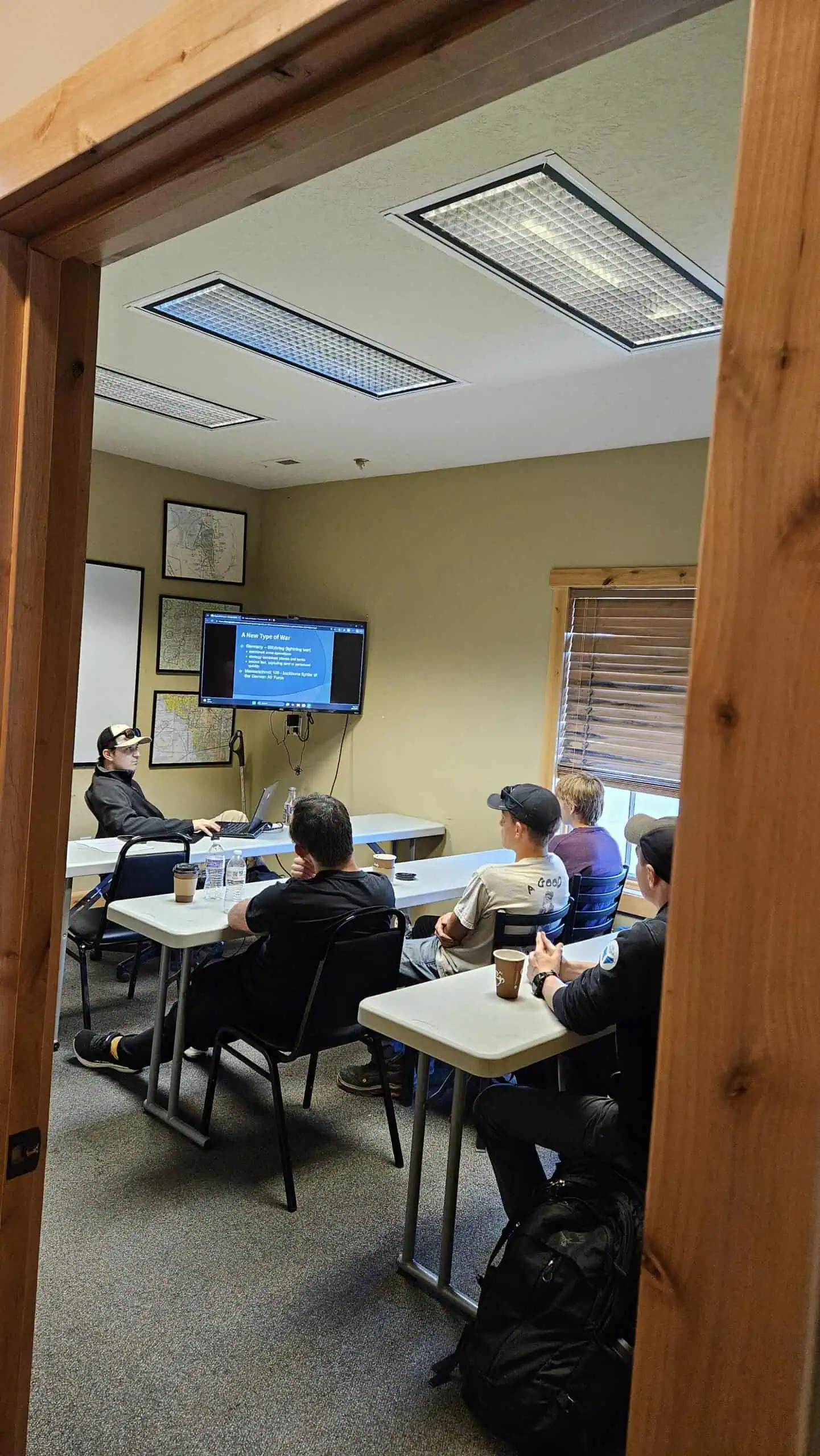
What Comes After a Discovery Flight?
If you enjoyed the flight, the next step is the private pilot certificate. It’s the foundation for everything else, whether you fly for fun or for a living. From there, the usual path runs through the instrument rating, the commercial certificate, and, for many professional pilots, the flight instructor certificates.
For a full breakdown of the timeline from zero hours to instructor, read How Long Does It Take to Become a Pilot?. If you already know you want to fly professionally, Choice’s career program runs as one continuous track from your first lesson through CFI, at an accelerated pace or around a job.
The FAA’s Become a Pilot page explains the certificates in order. The free Pilot’s Handbook of Aeronautical Knowledge is a good first read if your first flight leaves you wanting more.
What is a discovery flight?
A discovery flight is an introductory lesson in a training airplane with a certified flight instructor. You help with the preflight, sit in the pilot’s seat, and fly the airplane yourself for most of the time in the air. Its purpose is to show you whether you enjoy flying before you commit to training.
How long is a discovery flight?
At Choice, it’s about a half hour in the air. Plan extra time on the ground for the briefing, the preflight, and the conversation afterward.
Do I need a medical certificate for a discovery flight?
No. A medical certificate is required before you fly solo as a student pilot. On the flight, your instructor is the pilot in command, so you don’t need one yet.
Can I log a discovery flight toward my pilot license?
Yes. Training time with an authorized instructor can be logged under 14 CFR 61.51(h), and it counts toward the 40 hours a Part 61 private pilot needs. Your instructor signs the logbook entry.
Do I actually fly the plane on a discovery flight?
Yes. Once you’re at a safe altitude, you fly the airplane: straight and level, turns, climbs, and descents. Your instructor usually handles the takeoff and landing and can take the controls at any time.
Is there a discovery flight near me in Montana or Wyoming?
Choice offers discovery flights at two airports: Yellowstone Regional Airport in Cody, Wyoming, and Ravalli County Airport in Hamilton, Montana. Both run the same programs and standards, year-round.
What should I wear on a discovery flight?
Wear comfortable layers and closed-toe shoes with thin soles so you can feel the rudder pedals. Bring sunglasses. The school provides the headset.
Book Your Discovery Flight
The quickest way to find out whether flying is for you is to fly. Choice’s instructors run them at Cody and Hamilton year-round, in the same airplanes students train in, maintained by the same shop that keeps the charter fleet flying.
Visit Choice Flight Training to book a discovery flight, or contact the flight school with your questions. Tell them where you’re trying to get to, and they’ll come back with the path, the timeline, and what it costs.

